State of the Project
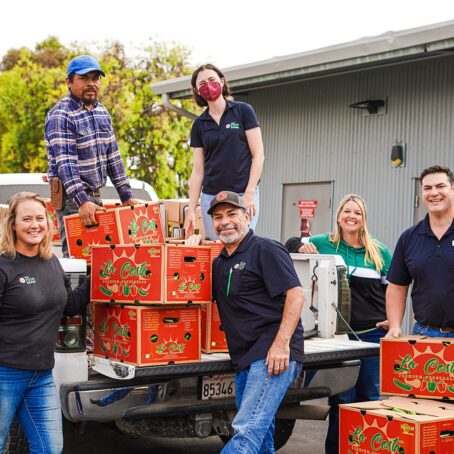
2025 has proven to be a roller coaster for the Farms Together team.
In March, the Local Food Purchasing Act (LFPA) program that funded Farms Together was cancelled nationwide, grinding everything to a halt. This meant contracts could not be fulfilled, farmers couldn’t get paid, and communities relying on local produce would go without fresh fruits and veggies.
It was devastating.
But that didn’t stop us: with a coordinated effort from partners across the country and grassroots advocacy efforts from local farmers, we managed to get the grant reinstated for its term.
Farmers participating in the project directly shared their stories with law makers and representatives across the country, advocating for the continuation of the project. The shared messaging was intentional, powerful, and echoed why Farms Together offered economic stability for them.
“… what carried us through was our advocacy, our deep relationships, and consistent communication with the food hubs that serve our farmers in need. We felt the impacts in real time of not having the funds distributed, or not knowing the immediate future of the program,” our Farms Together Program Manager, Samiha Hamdi, shares.
And the funds were reinstated for the term. We celebrated—cautiously, but genuinely. Farmers could once again be paid for their hard work and produce. Food hubs could get back to connecting local harvests to local tables. And communities that had gone without would once again have access to the fresh, nourishing produce they deserve.
Despite the win, we know that funding at this level will not continue past its term, effectively ending the program in June 2026. Without major federal funding, it’s unlikely that the project will be able to continue after next summer. There is hope, however, with two bills introduced into the US Senate and House of Representatives that could provide a potential pathway forward.
Reflections and Takeaways
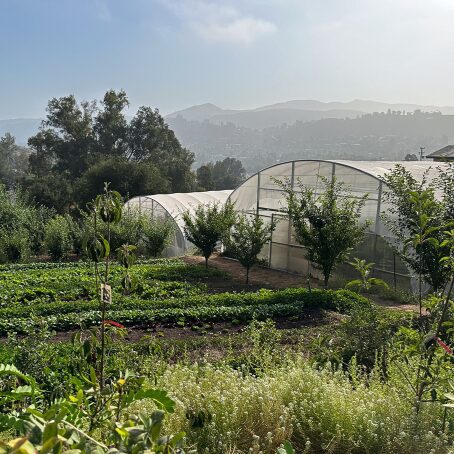
“Farms Together has been a program like no other, giving farmers across the state a secure market opportunity, while rural and urban communities alike got the benefit of local, incredibly high-quality produce. This program wouldn’t be possible, though, without our partners at every step of the process, from farmers working through the rainy winters and boiling summers, to food hub aggregators, whose close connections with each of these farmers allows them to balance markets and order lists, and everyone working at the food banks who help make sure enough food is going to people who need it.”
—Acacia Lynch, Farms Together Program Specialist
Despite these challenges and an uncertain future, our Farms Together team looks back with pride and lessons learned that they can bring forward into the new year. Relationships with farmers and food hubs across the state were forged in care and compassion, centering on our shared humanity and commitment to building community. It was beautiful.
“Being able to sit with farmers, walk the land, laugh together, and hear their stories… we’re co-creating something meaningful. I’m grateful for the farmers whose commitment has been unwavering, even when things felt fragile and overwhelming. I’m grateful for all the local and regional food justice advocates that continue to work towards building this system. For the quiet resilience that kept us all going,” Samiha shares.
Acacia shares that one food hub that embodied community resilience was fruitqueen in San Francisco. She shares how they were able to connect D10 Community Market in the Bayview/Hunters-Point neighborhood with fruitqueen, a specialty fruit and vegetable aggregator. The unique produce from fruitqueen gave community members a taste of their home that they may not not have been able to afford, while supporting a diverse group of farmers growing the fruits.
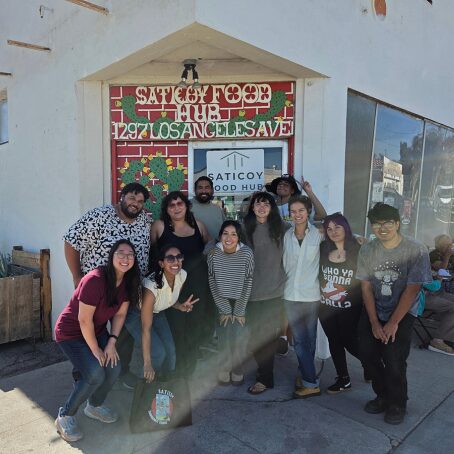
For Samiha, one small, multi-faceted food hub, Saticoy Food Hub, left a lasting impression on her. In the heart of California’s long-standing farming community in Ventura County, this food hub runs a number of impressive community programs including the Saticoy Farmers Market, their Community Fridge, and their Kitchen Collective.
And of course one the largest milestones for the team was building a framework for future advocacy work: When federal funding froze in March, our response was swift and intentional. We were able to gather information on farms across various congressional districts and share those powerful stories directly with policy makers. All the while, they were supporting over 700 California farms and 40+ distribution partners across the state!
How can they not feel an immense amount of pride for all of their efforts?
Looking Ahead: Expanding Food Access
Samiha continues, “I hope for more integrated procurement systems that prioritize values and viability, and stronger policy advocacy that brings the voices of farmers directly into decision-making spaces. We’ve all laid the groundwork, and now we build together.”
And so comes Procurement with Purpose: an innovative, statewide initiative that aims to equip small and emergent food hubs across California with market access to schools, hospitals, food pantries, and other public-serving institutions, and build a more nourishing and resilient food system by matching the needs of suppliers with organizations capable of supporting them.
Samiha shares that it’s all about flipping the script on how institutions buy food, “It asks: who grows it? Who profits? And who gets fed? The project came out of the realization that we collectively needed to reimagine the system of institutional procurement — one that doesn’t just reward the lowest bidder, but prioritizes equity, sustainability, and local food economies… procurement can be a tool for justice when it’s done with purpose.”
The future of Farms Together might be murky, but that’s not stopping us.
We have hope Procurement with Purpose will continue the legacy of Farms Together by advocating for the needs of our small, California farmers and focusing on improving the systems that keep us fed.